Several alfalfa fields in north central Kansas were sampled over the past few days to assess early-season alfalfa pests, primarily alfalfa weevil and pea aphids, and to evaluate the effects of the cold weather that occurred approximately 10 days ago. All fields were located within 4–5 miles on either side of the I‑70 corridor.
Field Observations
All sampled fields showed noticeable freeze damage to alfalfa foliage, with an estimated 50–70% of foliage affected (Figure 1). There were lady beetle larvae in all fields, but no pea aphids or any other aphid species were detected (Figure 2). Hopefully, these predaceous larvae will find a few small alfalfa weevil larvae or some other small insects to feed on before they starve. But, as of this week, there were no aphids and very few alfalfa weevil larvae to sustain any beneficials.
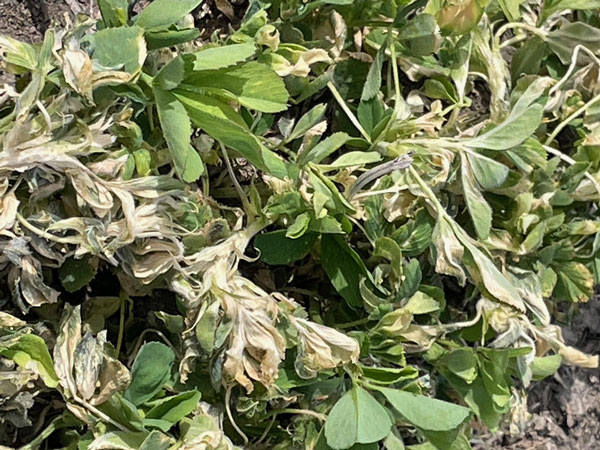
Figure 1. Alfalfa freeze damage. Photo by Cody Wyckoff, K-State Extension.
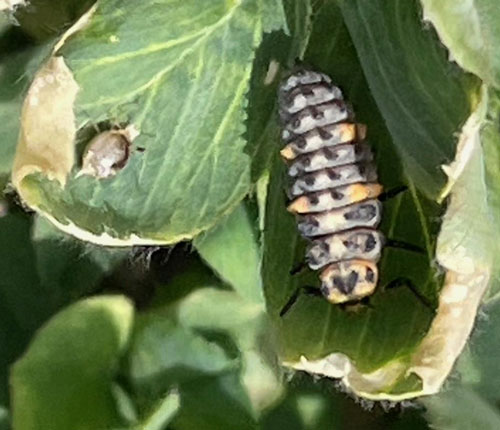
Figure 2. Lady beetle larva. Photo by Cody Wyckoff, K-State Extension.
All alfalfa weevil larvae collected were very small (1st instars) and had not been around long enough to do much damage (Figure 3). Last week's cold weather obviously played havoc with the weevil larvae and the alfalfa foliage. Without precipitation, surviving weevil larvae may concentrate feeding on the limited regrowth that occurs. However, alfalfa weevils are cool-weather insects and do not do well at temperatures over 80°F, so if these high temperatures also return, weevil feeding may not be as active.
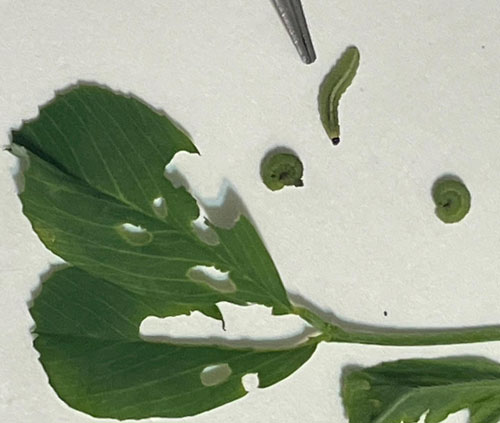
Figure 3. Alfalfa weevil larva. Photo by Cody Wyckoff, K-State Extension.
For additional information on scouting thresholds and management options, please refer to the 2026 K-State Alfalfa Pest Management Guide at https://bookstore.ksre.ksu.edu/pubs/MF809.pdf.
Jeff Whitworth, Entomology Extension Specialist
jwhitwor@ksu.edu
Tags: insects alfalfa alfalfa weevils