Figuring out the right time to plant seed is a key decision for many across the state of Kansas. Native grasslands in Kansas are dominated by warm-season grass (WSG) species, such as big bluestem (Andropogon gerardii) or sideoats grama (Bouteloua curtipendula). A smaller proportion of the plant community is composed of forb (wildflower) species, or broadleaf plants that are not grasses, such as purple prairie clover (Dalea purpurea) or maximilian sunflower (Helianthus maximiliani). Most native seed mixes have a higher proportion of WSG (60-80%) compared to forbs, but the proportion of grasses to forbs in any given native seed mix varies considerably depending on its intended use.
Spring seeding in the few weeks before the last expected frost date has traditionally been suggested for warm-season native plantings. This spring planting window is recommended with WSG as the dominant component of seed mixes in mind, expecting that they will germinate, receive early summer rains, and develop enough of a root system before the onset of summer conditions, while avoiding a long exposure period in the ground before the soil is warm enough to trigger germination. Depending on your goals, planting native seed mixes during the winter months (typically December or January) can also be beneficial, as it offers more flexibility in planting dates and provides forbs that require a longer exposure period to cold conditions before germination a better chance of establishment. Below are some key factors to consider when deciding when to plant native seed mixes in Kansas.
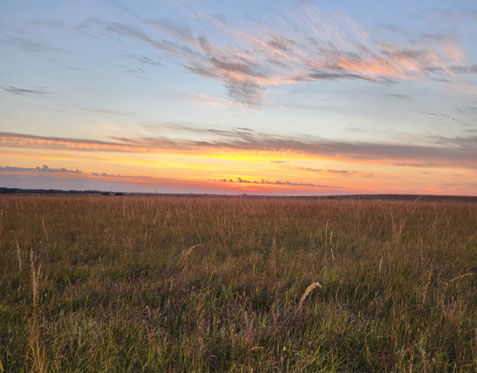
Figure 1. A warm-season native grassland in southeastern Kansas. Photo credit Molly Reichenborn, K-State Extension.
Precipitation
Receiving adequate precipitation at the right time is a primary constraint on seedling germination and establishment. Spring planting recommendations for native WSG in late March and April (Figure 2) are intended to take advantage of peak annual precipitation, which typically occurs in May (Figure 3). However, as any Kansan knows, predicting when and how much rain will actually fall in any given year is notoriously difficult. If heavy rainfall occurs earlier than the planned seeding date, fields may remain inaccessible for days to weeks until the soils dry out enough to allow equipment access. Delayed planting can lead to a shortened window between the time of seeding and the onset of peak summer conditions, leading to weak stand establishment if plants aren’t sufficiently developed before this occurs. Early seeding followed by a dry period can also jeopardize successful stand establishment. Dormant season seeding during the winter will ensure that seeds receive moisture whenever it falls in the next growing season without risking delayed seeding due to waterlogged soils.
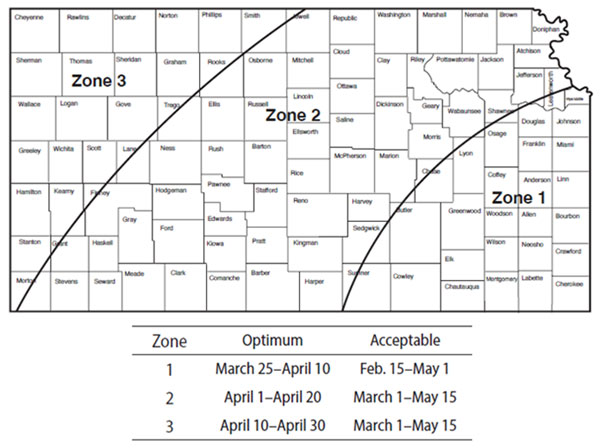
Figure 2. Suggested seeding dates for native grass species from K-State Extension Publication “Establishing Native Grasses” (MF2291).
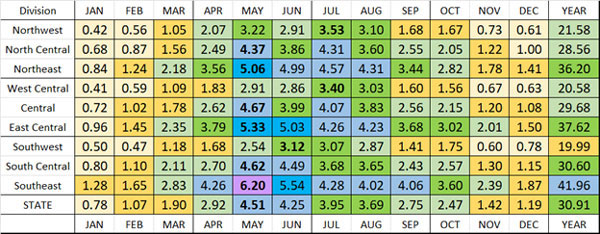
Figure 3. Average monthly and annual precipitation in each of Kansas’ nine climate divisions. Courtesy of Matthew Sittel, Assistant State Climatologist.
Temperature
Many grassland species require a period of stratification, or exposure to cold conditions, before they can break seed dormancy and germinate. Seeding in the weeks before the expected last date of frost is sufficient for most WSG to break dormancy and germinate with adequate soil moisture and temperatures above 55-60º. Native forb species often require longer periods of stratification to break dormancy, typically 30-60 days, and may require both cold temperatures and sufficient moisture to germinate. Dormant season seeding can be completed anytime after soil temperatures are low enough to keep seeded species in dormancy until the spring (below 50ºF is acceptable, but ideally below 40ºF), which can allow greater flexibility in planting date compared to a spring seeding in addition to allowing sufficient time and exposure to environmental conditions for forb stratification.
Artificial stratification can be achieved by placing seeds in a refrigerator for 30-120 days in moist or dry conditions, depending on the species. In this way, species requiring stratification can be “tricked” that they have overwintered outside of field conditions and are set up for higher germination success in a spring seeding. In the end, species that do not undergo sufficient stratification in a spring seeding will undergo this process the following winter and could germinate in subsequent seasons. Keep in mind that these plants will be competing with other species that were established in earlier seasons, and germination will likely be suppressed due to high competition for light and other resources.
Time to Germination
As the window between seeding and germination widens, the possibility of seed loss also increases. This window is expected to be relatively small for spring seeding events, but can extend over several months when seeding during the winter. Seeds can be lost to decay, wind and water erosion, and animal activity during this time. This effect can be lessened by using a planting strategy that ensures good seed to soil contact, such as a grass drill, or by coupling a broadcast seed strategy with post-seeding surface compaction (e.g., with a cultipacker). Increasing the grass seeding rate by 25-50% in warm-season native seed mixes has also been suggested to account for reduced grass establishment in winter seedings.
Weed Control
Preparing the seedbed before seeding is a key step in a successful seeding project. This step is typically completed in the late summer and fall prior to seeding in the winter or following spring, depending on the size of your project area. Winter weeds can create additional competitive pressure for your seeded species before they emerge in the next growing season. Spring seeding provides another opportunity to apply herbicide if necessary to suppress winter weeds that come up before seeding. Applying herbicide in the spring may not be recommended if the herbicide would damage seeded species already in the soil if seeding was completed during the winter. Be sure to use an appropriate herbicide that can control targeted weeds but avoid impacting the germination and establishment of your seeded species (e.g., low soil residual time).
The best time to seed will depend on several factors, including your project site, seed mix, equipment availability, and weather conditions. Increase your chances of successful native plant stand establishment by planning your seeding project in advance and reaching out to your local K-State extension agent or range management scientist to discuss options to best meet your project goals.
Additional Resources
Establishing Native Grasses (K-State Extension Publication MF2291): https://bookstore.ksre.ksu.edu/pubs/establishing-native-grasses_MF2291.pdf
Establishing and Managing Native Prairie Plants in Small Areas (K-State Extension Publication MF3233): https://bookstore.ksre.ksu.edu/pubs/establishing-and-managing-native-prairie-plants-in-small-areas_MF3233.pdf
Planting Natives in Northeast Kansas: Reconstructing Prairie: https://plantnativeks.weebly.com/uploads/2/0/7/3/20731482/reconstructing-prairie-book.pdf
Converting Introduced Grasses to Rangeland (Oklahoma State University Extension Publication E-1056): https://extension.okstate.edu/fact-sheets/print-publications/e/converting-introduced-grasses-to-native-rangelands-e-1056.pdf
Molly Reichenborn, Range Management Extension Specialist
mreichenborn@ksu.edu
Keith Harmoney, Range Scientist
kharmone@ksu.edu