Pale western cutworm (Agrotis orthogonia), an infrequent pest of wheat in western Kansas, has been active this spring. This pest benefits from drought conditions, and it appears that the drier weather pattern of the last few seasons has allowed populations to build up in some areas. Outbreaks of this caterpillar are usually sporadic and can occasionally cause highly localized, extreme damage. Suspected pale western cutworm damage was reported from fields in northwest Kansas in 2025, and this month, a wheat field in Wichita County suffered noticeable damage, and active pale western cutworm caterpillars were found (Figure 1).
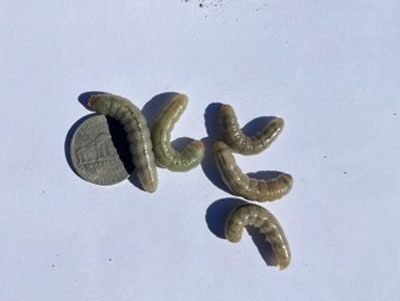
Figure 1. Pale western cutworm caterpillars found in a damaged wheat field. Photo courtesy Alan Baker, Wichita Co. Extension.
Larvae have smooth pale gray-white, sometimes gray-green, bodies without the conspicuous side stripes of other cutworm species. Most notably, these caterpillars’ heads are a light brown with two vertical black dashes on the face that resemble an inverted “v” (Figure 2). Mature caterpillars can reach up to 1.5 inches in length before pupating in the soil. Adult moths begin to emerge from the pupal chambers in late July and lay eggs late summer through fall that will overwinter in the soil until next spring when they hatch to start the new year’s generation of caterpillars. Adults lay eggs in the drier, loose soil, so caterpillar activity is usually first noticed in the driest areas of a field.
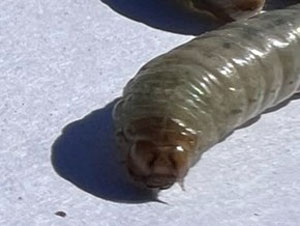
Figure 2. Note the brown head capsule and distinct vertical dark stripes on the face. Photo courtesy Alan Baker, Wichita Co. Extension.
Pale western cutworms are a belowground pest and feed on stems, severing them just below soil level. Caterpillars can also bore into or out of the plants at their base near the soil level (Figure 3). Large areas of a field can be lost in just a few days under outbreak conditions (Figure 4).
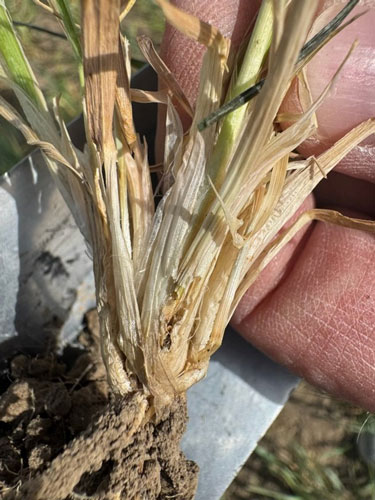
Figure 3. Note the damage to the base of the plant. Photo courtesy Alan Baker, Wichita Co. Extension.
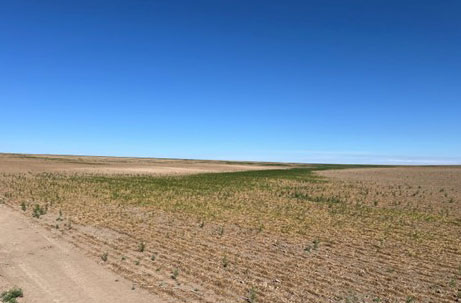
Figure 4. Wheat field impacted by pale western cutworm caterpillars. Photo courtesy Alan Baker, Wichita Co. Extension.
Management of this pest is warranted when larvae average 2 or more per foot of row. Scouting will require digging up several inches of soil immediately along the rows. Chemical control of pale western cutworm is possible, but difficult. Larvae feeding below the surface may not be fully impacted by an application lacking in carrier volume. The typically drier conditions of the soil associated with these outbreaks can also make it difficult for the application to penetrate the soil profile.
Areas of western Kansas that maintain drought conditions and have a drier winter should be vigilant for this pest next spring. For more information on pale western cutworm and management options, visit the following wheat insect pest management guide:
https://bookstore.ksre.ksu.edu/pubs/wheat-insect-pest-management-2026_MF745.pdf
Anthony Zukoff, Instructor of Entomology – Garden City
azukoff@ksu.edu
Tags: insects